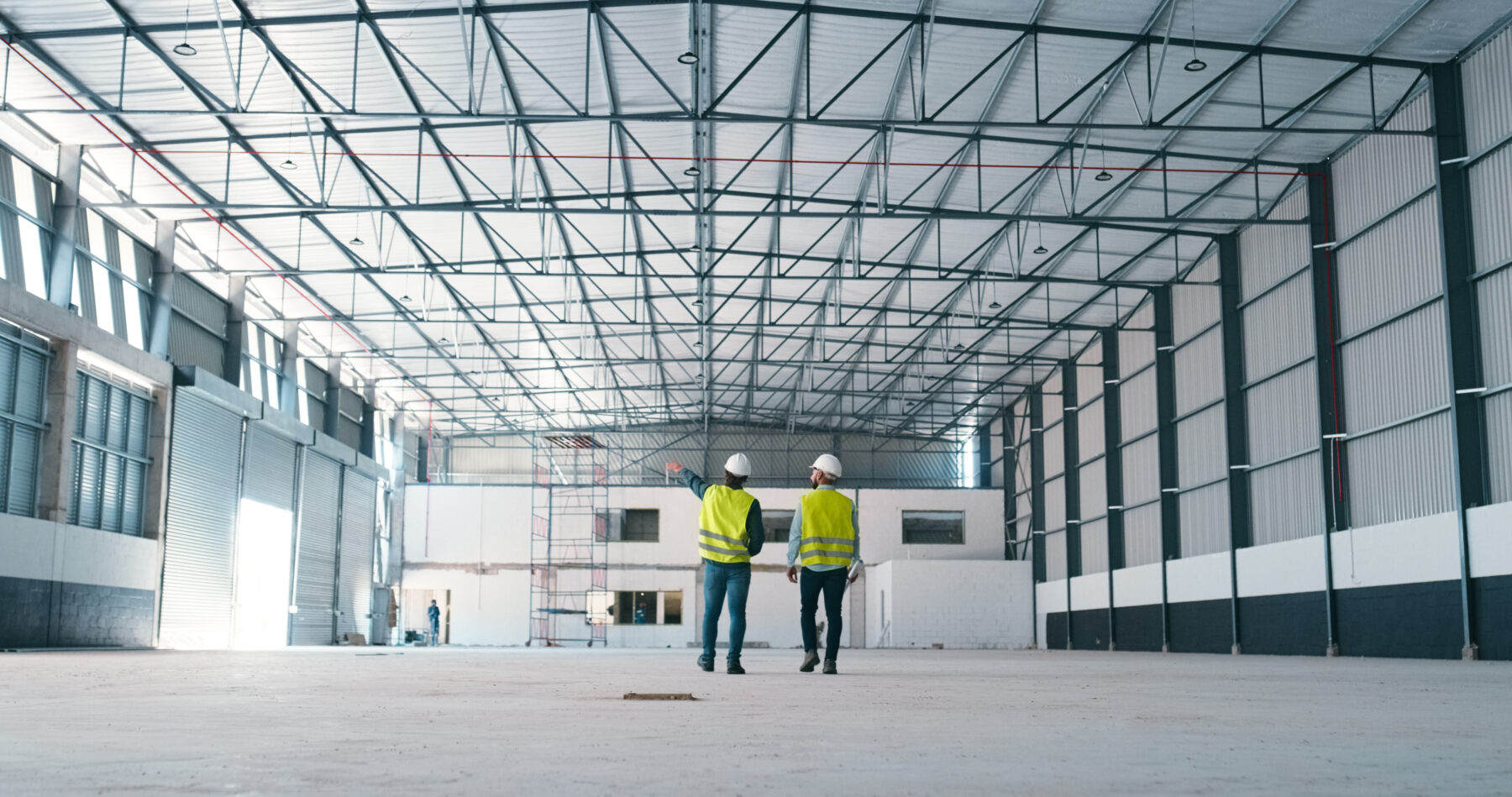
When people talk about carbon in buildings, the focus is usually on day-to-day energy use. Less visible, but often front-loaded at move-in or refurbishment is embodied carbon: the greenhouse-gas emissions tied to the materials and construction processes that make up your unit or building (think slabs, steel, partitions, insulation, floor finishes, mezzanines and racking). It’s distinct from operational energy, and it sits squarely in the world of design, fit-out and replacement cycles for your building and space.
Why it’s becoming a business issue
For logistics and last-mile spaces, material-heavy elements can make embodied carbon a meaningful share of total lifecycle impact, especially when units are refitted several times over their life. As supply chains set tougher sustainability requirements, customers and investors look beyond electricity bills to the carbon profile of the space itself. Getting a handle on embodied carbon can help you:
- Programme & cost: choosing the right materials can shorten lead times and lower total installed costs (e.g., lighter structures, modular systems).
- Customer & brand expectations: many supply chains now screen facilities for carbon, not just energy. Low-carbon spaces help you win and retain contracts.
- Compliance & reporting: embodied carbon increasingly features in market frameworks (certifications, client RFPs). Being able to evidence choices is commercially useful.
How this aligns with Mileway’s strategy
Mileway’s sustainability focus is to run a resilient, low-carbon last mile, working on operational efficiency (LEDs, PV, data quality) and supporting smarter specs and refurb choices that avoid unnecessary carbon in the unit. We integrate whole-life thinking into development and heavy refurb projects and share practical guidance for tenant fit-outs so you can make lower-carbon choices without slowing your programme.
Where embodied carbon shows up in your unit
Typical hotspots are the things you can see and touch in your space. Because most of this impact is locked in at installation, small spec decisions can make a big difference.
- Category A/B works partitions, floor finishes, M&E changes, welfare blocks.
- Material-heavy kit: mezzanines, racking, loading docks, battery rooms, chargers.
- Refurb cycles: replacing doors, roofs, facades, HVAC.
- Site changes: yards, hardstanding, car-park surfacing.
(We’re talking only about the building and space, no unrelated supply-chain emissions.)
What you can do in practice (without overcomplicating it)
- Reuse before replace: keep compliant partitions, racking and doors where possible; repair instead of rip-out.
- Ask for EPDs: request Environmental Product Declarations and compare kgCO₂e per unit for concrete, steel, insulation, finishes.
- Right-size and go modular: avoid over-specifying loads; choose demountable mezzanines/welfare units you can move or re-use later.
- Design for disassembly: screw-fix, not glue-bond; use standard fasteners; separate materials for easier end-of-life recovery.
- Think logistics: source regionally and consolidate deliveries to cut transport emissions.
- Plan maintenance smartly: longer-life finishes and repairable components reduce replacement cycles (and carbon).